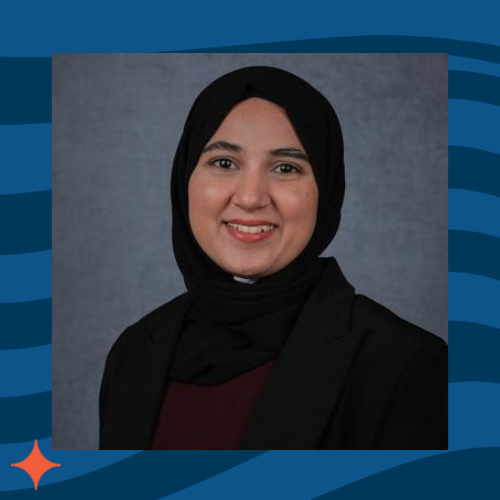
As the Association of Clinical Research Professionals (ACRP) celebrates its golden anniversary this year, we are pleased to continue our series of Q&A interviews, “Forecasts from the ACRP Fellows: Insights on the Future of Clinical Research as ACRP Turns 50.” Our latest guest is MeeLee Tom, MS, CCRA, ACRP-CP, ACRP-PM, ACRP-MDP, FACRP.
Q: For 50 years, ACRP’s mission to advance excellence in clinical research has empowered professionals like you to lead the industry forward. What’s a defining moment in your career when you felt proud to contribute to that legacy?
A: Over my 20-plus years in clinical research, I have often felt pride in my professional accomplishments, and seeing my contributions make an impact on the treatment of patients has been extremely rewarding. Just as rewarding is seeing how my volunteer work with ACRP has led to strengthening the foundation of our profession for future generations of clinical research professionals.
Contributing to ACRP certification exam development and education events has allowed me to help shape the rigorous standards that define our industry. There is no greater feeling than watching peers and mentees excel, knowing I played a small part in building the pathways that empower them to conduct safe, ethical, and high-quality research. Being able to give back to the community in this way is how I feel most connected to ACRP’s 50-year legacy of excellence.
Q: Looking back on your experience in clinical research, what’s a lesson you’ve learned that points to how trials could be improved—whether in quality or efficiency? What changes would help make that improvement a reality, and how might ACRP play a role in supporting it?
A: The most critical lesson I have learned is that the increasing protocol complexity we have all witnessed is the single greatest threat to both trial quality and efficiency. We are designing increasingly sophisticated studies with too many procedures and assessments, and multiple endpoints, but we often fail to realize these overly complex protocols create an operational bottleneck for the site staff who are conducting the trials. To turn this around, the industry must shift toward operational feasibility during the design phase and implement robust, competency-based training. We need to ensure that the professionals on the ground are thoroughly equipped to handle the logistical demands of modern trials without sacrificing patient safety or data integrity.
This is where ACRP’s role is indispensable. With its mission of promoting excellence in clinical research through educational and certification programs, ACRP can directly arm the workforce with the advanced operational skill sets required to navigate these complicated protocols. By fostering a community of highly experienced professionals, ACRP is empowering them to conduct high-quality clinical trials, which in turn leads to better, more effective, and safe treatments.
Q: As the clinical research enterprise faces unprecedented challenges like funding pressures, public engagement, and regulatory uncertainty, what’s your outlook on the current state and future prospects of the drug and device development industry?
A: My outlook on the drug and device development industry is one of cautious optimism, grounded in the reality of our current operational hurdles. Having spent more than 20 years in academic clinical research and more recently in the private sector, I see firsthand how rising protocol complexity, coupled with intensifying funding pressures and regulatory shifts, places an unprecedented strain on the clinical research enterprise. We are capable of incredible scientific breakthroughs, but our operational frameworks are being tested like never before.
The future of our industry depends entirely on how we support the workforce executing these trials. We must prioritize excellence and education. When site staff are highly competent and structurally supported, they can execute protocols more efficiently, reducing costs and building the public trust necessary for robust trial enrollment. Organizations like ACRP are vital to this evolution. Empowering professionals with the right competencies is what will transform current industry pressures into a more resilient, efficient, and successful future for drug and device development.
Q: Are there any other insights you’d like to share with our readers based on the trends you’ve been witnessing in the trenches in recent years?
A: If there is one final insight I could leave with readers, it is that as we embrace powerful new technologies like artificial intelligence (AI), we must never lose sight of the human element at the heart of our operations.
Witnessing the trends in the trenches over the last two decades has shown me that while new technologies such as AI have an incredible capacity to optimize trial conduct, they also add a layer of operational complexity. Technology is only as good as the workforce trained to use it. If we adopt AI without simultaneously upskilling our teams, we risk creating new operational bottlenecks.
True trial quality and efficiency happen when we actively invest in people. By pairing AI and other technological innovations with robust professional development and mentorship, we can build a sustainable, tech-ready foundation for the medical breakthroughs of tomorrow.
About MeeLee Tom, MS, CCRA, ACRP-CP, ACRP-PM, ACRP-MDP, FACRP
MeeLee first became active with ACRP as a member in 2006 and joined the ranks of Fellows in 2020. She is a long-time ACRP New York Metropolitan Chapter member and Director of Clinical Trial Operations for Wave Neuroscience, based in Newport Beach, Calif., since 2024. Past positions in the clinical research enterprise include Senior Research Project Manager for NYU Langone Health and Senior Clinical Research Associate with Rutgers New Jersey Medical School. She currently serves as Chair of the ACRP-CP® Global Exam Committee and is a past member of the CCRA® Global Exam Committee. She earned her Master of Science in Biology/Biological Sciences from New York University.
About the ACRP Fellows
Being named a Fellow of the Association of Clinical Research Professionals (FACRP) is a mark of distinction. ACRP’s Fellowship program recognizes those who have made substantial contributions to the Association and the industry at large, as evidenced by: ACRP certification and continuing education, leadership contributions to ACRP, and contributions to the field of clinical research.
Fellowship highlights excellence and commitment to ACRP, and is suitable for only a small, select number of clinical research professionals who are lauded as global leaders.
Edited by Gary Cramer