Clinical trial recruitment remains a major challenge, requiring a patient’s medical history to be compared with increasingly complex study eligibility criteria. Artificial intelligence (AI) can make this process more efficient by identifying potential study participants from data sources such as structured and unstructured medical records, laboratory reports, and clinical notes.
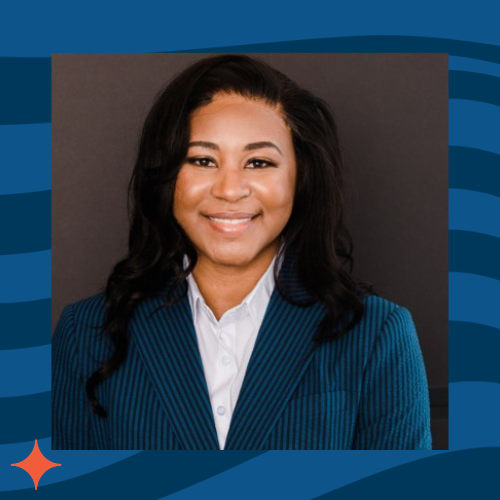
“With increasing protocol complexity, it is more time-consuming than ever for clinical research coordinators to pre-screen patients,” notes Joshua J. Cook, M.S. (Data Science), M.S. (Clinical Research Management), ACRP-PM, CCRC, Adjunct Instructor, Biology, University of West Florida. “Uptake of AI is increasing sharply in clinical trial matching, with the major benefit of speed. However, AI use can also pose privacy, documentation, and eligibility risks.”
“As tools such as Microsoft Copilot and ChatGPT become more accessible, research teams need practical guidance on their limitations, including potential for inaccurate outputs, unverified information, and risks to patient privacy,” notes William “Billy” Gonzalez Barnes, A.A., NREMT-B. Gonzalez Barnes is an undergraduate biomedical sciences student at the University of West Florida who is contributing to a faculty-mentored research project on AI-generated trial matching.
“Against this backdrop, standardized quality checks are essential – a factor that research quality teams should take seriously,” says Cook. “Proper documentation is needed. We have developed templates that can form the basis of a standardized process, as well as general workflows for coordinators, site managers, and investigators.”
“In our session at ACRP 2027, we will examine common AI trial-matching errors using synthetic metastatic breast cancer patient profiles derived from actively enrolling clinical trials, without using real patient data or protected health information,” says Cook. “We will examine AI-based trial matches against actual protocol eligibility criteria, highlighting errors that coordinators need to recognize and escalate for human review.”

AI Trial Matching: What Research Teams Must Know About the Risks
Join Joshua and Billy at ACRP 2027 [April 30-May 3; San Diego, Calif.] as they address practical safeguards, including PHI-removal checks, prompt preparation, human review of AI outputs, biomarker interpretation, prior therapy sequencing, missing-data assumptions, and overlooked exclusion criteria. View complete schedule.
“Addressing practical safeguards, the session will provide attendees with tools to support human oversight, document uncertainty, and align AI-assisted screening with institutional policies and applicable requirements,” notes Cook.
“AI has the potential to make trial screening more efficient and reduce screening workload, provided its outputs undergo appropriate human review,” concludes Gonzalez Barnes. “There’s no need to shy away from AI. We have tools available to support responsible use and can develop roadmaps to optimize AI use.”
Edited by Jill Dawson