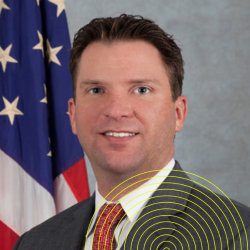
When the ACRP 2024 pre-conference events get under way in Anaheim, Calif., in May, retiree John P. Rowell, Jr., MSN, will take a break from his home gardening and competitive sport shooting to once again present a day-long Friday workshop aimed at helping new clinical researchers face the many workforce-related challenges being thrown at them, as he has for nearly 25 years, this time teamed up with several colleagues.
The time required to finalize contracts and budgets is among the most pressing challenges in clinical trials. Sponsors, CROs, and sites all identify this as a significant hurdle, one that leads to costly delays and mounting frustrations. It does not have to be that way. Deploying these five strategies can make the contract negotiation process more pleasant and efficient for all stakeholders.
Celebrate the season with a thoughtfully curated playlist from the ACRP team, blending the best of classic and modern holiday tunes! Stream the ACRP Holiday Mix to infuse festive cheer […]
In the best of all possible worlds, clinical trial teams at study sites get along professionally and productively with each and every clinical research associate (CRA) who visits in person or remotely to monitor the progress and compliance of studies on behalf of their sponsors. In the real world, however, the relationship may be more of a “can’t live with them, can’t live without them” scenario as far as the site team members’ feelings about certain CRAs are concerned.
It’s a sentiment you may have heard already at more than one gathering of research professionals who work in or with clinical trial units based (even buried) within larger academic medical centers, hospital systems, networked medical practices, and the like: The duties of trial team members, other site staff, and their vendors are performed so “behind the scenes” compared to the rest of the institutions’ activities, it can be a struggle to get their priorities and contributions noticed properly by leadership.