Recognizing that successfully onboarding entrants into clinical research programs is only the beginning of the battle necessary for building a durable and engaged workforce, Merck and the Association of Clinical Research Professionals (ACRP) have collaborated on a bold approach to training and keeping some of the company’s newest and most promising talent on the path to long-term careers in clinical trials.
The first version of a Merck Early Talent Training Program (ETTP) featuring hybrid training (a blend of synchronous virtual and in-person learning, asynchronous e-learning, assessments, and real-world readiness tools) was conducted at the company’s enterprise Shared Services Center (eSSC) site in Philadelphia in June, where the trainees are based in the company’s largest “skills-first” community. The Global Clinical Trial Operations (GCTO) eSSC is located in a 100-seat floor of the WeWork coworking space in Philadelphia’s City Center, and helps the company build a more diverse workforce by connecting talented individuals with transferable skill-sets to job opportunities.
Recognizing a wealth of potential in urban communities and an opportunity to further diversify the workforce, the eSSC was established to create meaningful roles that closely reflect Merck’s patient population. “Our mission continues to be delivering high-quality clinical trial support services with a skills-first, agile hiring approach,” said Katherine Taylor, MBA, ACRP-CP, Head of Emerging Talent for GCTO at Merck. “The organization is committed to providing continuous learning opportunities in a supportive environment to ensure team members are equipped to excel in their roles.”
Twenty-five early-career professionals took part in the program, which totaled 40 hours of instruction led by ACRP-designated trainer Beth Bieze, CCRA, ACRP-PM. After the first day of instruction was held in-person, interactive virtual sessions were then held three times a week for three weeks, followed by e-learning. A final in-person training day was held that concluded with a graduation ceremony for the program, which all 25 trainees completed and reported as being valuable to their roles.
“The Merck program was especially rewarding because I was able to meet participants in person, get to know them beyond their professional roles, and gain a deeper understanding of where they are in their clinical research careers,” says Bieze. “That perspective allowed me to shape our virtual sessions in a way that felt more meaningful and impactful. They are an exceptional group, and I feel privileged to have been part of their progress.”
All live training was updated to the International Council for Harmonization’s E6(R3) guidelines for Good Clinical Practice (GCP) and aligned with Joint Task Force for Clinical Trial Competency standards. Results from a Clinical Research Knowledge Assessment completed by the trainees pre- and post-training revealed promising signs of knowledge gains and learning effectiveness, Taylor notes.
“This particular program helped these newer staff ‘connect the dots’ between their day-to-day activities and where they fit in the scheme of larger clinical trials processes and many said they wished that they could have experienced this training sooner after their hire date,” Taylor adds. “It helped them better understand the ‘why’ behind their work with patients and to understand why and how the drug development industry is so regulated and focused on safety.”
ACRP asked some of the ETTP trainees about their backgrounds and experience in the program, and here is what they had to say:
Q: What got you interested in pursuing a position in clinical research in the first place? How did you learn about it as a career option and come to Merck?
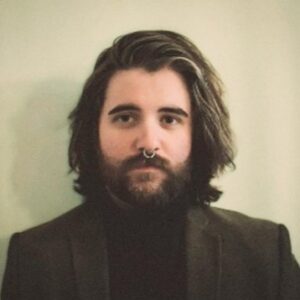
Jake Gilmore, Specialist with the GCTO eSSC: My introduction to clinical research only came to fruition after I began my career at Merck, [since] prior to my current job in data management I viewed this field as something far out of my reach. My introduction to the pharmaceutical industry was in my previous job as an operations lead for a pharmaceutical wholesaler. That job allowed me to become acquainted with a multitude of pharmaceutical companies, creating interest in what it might be like to work for one of them. While I wasn’t particularly sure what it was I was applying for [at Merck] at the start, I knew I could adapt if I landed the job [and since I did] I couldn’t be more grateful for the opportunity and the experience I have been given working here. My interest has grown immensely in clinical research, now recognizing the number of opportunities there are in the field, the vast amount of things there are to learn, and the positive impact it has on bettering human life.
 Karelis Romero, Associate Specialist, eSSC: I was a Year Up United student from July 2023 to June 2024, working with Merck’s Human Resources (HR) Operations team in West Point, Pa., while actively exploring new career opportunities. During this time, my interest in clinical research began to grow. I wanted to contribute to meaningful healthcare advancements, and through the Year Up program’s exposure to different departments at Merck, I discovered clinical research as an exciting and impactful career path. That’s when I found the Associate Specialist position in Clinical Data Management within the Emerging Talent division. I applied and was fortunate to join the team in July 2024.
 Yajaira Baez, Specialist, eSSC: My path to Merck was anything but traditional. I learned about the company and its participation in the skills-first OneTen initiative through a conversation with a previous coworker, which sparked my interest—even though I had no idea what clinical research involved at the time. That curiosity led me to join as an Associate Specialist in Clinical Data Management, where I began to truly understand the field. As I gained more insight into the clinical research process, my interest quickly grew into a genuine passion and a strong desire to keep learning and contributing.
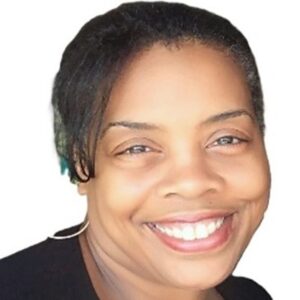 Maria “Toni” Scott, Associate Specialist, eSSC: My interests have always leaned toward roles that support healthcare innovation and patient outcomes. While clinical trials aren’t my main focus, I saw an opportunity at Merck to contribute to meaningful work in the clinical research space and expand my understanding of how trials fit into the bigger picture.
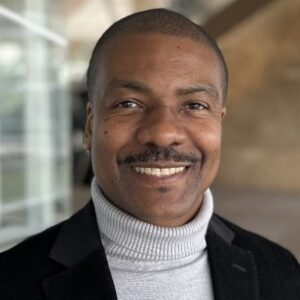 Al-Yassa Al-Mahi, Manager, eSSC: My path at Merck started in our Vaccine Manufacturing Division right after college. I learned of Merck because their recruiters wanted to attract Clinical Lab Science students. I was attracted to manufacturing because I wanted something different from the labs at that time. Fast forwarding a few years, I now have a role in clinical research which I did not foresee.
 Robert Roberson, Manager, eSSC: I became interested in clinical research through a mentor who introduced me to its impact on patient care, and Merck’s reputation for innovation and integrity made it the ideal place to grow my career.
Q: How would you rate your comfort level and skills (or preparedness) for conducting clinical research before this training? What has changed about your feelings after the training and why?
Gilmore: Prior to the training, I don’t believe I was as confident in my ability to answer questions regarding GCP. I may have had some knowledge on the key principles, but now that the training has concluded, I feel like I have a better understanding of clinical research as a whole. Merck offers many different learning opportunities through platforms like Axonify and myLearning but having in-person and remote sessions with a live instructor truly does help when it comes to knowledge retention. Even if there were things that I did previously know, I now have a better understanding of them thanks to Beth, our instructor.
Romero: Before completing the ACRP training, I had only a limited understanding of what conducting clinical trials truly involved. The training was eye-opening, especially when I learned about the challenging history surrounding patient safety and rights. It gave me a much stronger foundation and a deeper appreciation for the work I do. The program filled many knowledge gaps I hadn’t even realized I had.
Baez: Before the training, I felt confident in my specific responsibilities, especially within Sponsor Data Entry and supporting the Clinical Trial Coordinator-Monitoring team. However, my understanding of other functional areas was limited. The training helped me connect the dots—seeing how each role contributes to the bigger picture of clinical trials. It reinforced that my work isn’t just administrative; it’s part of a life-saving mission. That realization gave my role deeper meaning and boosted my confidence across the board.
Scott: Before the training, I had a general understanding of clinical research but didn’t feel fully equipped to engage deeply with trial-specific processes. The training was very informative and well-structured, especially for individuals interested in clinical trials. Even though my career path isn’t directly aligned with clinical trials, I found the knowledge gained to be valuable and applicable in a broader context. It definitely increased my confidence and awareness of the field.
Al-Mahi: Previously, when I heard the term clinical research, I only thought of discovery science, where compounds are being tested for the next breakthrough. But since I worked with the finished product for many years (a vaccine) and all of the compliance and federal regulations involved with making sure patients get the therapies they need, I developed a good understating of our role in public safety. Still, clinical research is very new to me and I’m still learning about the vast opportunities within this field. The training actually reinforced regulations I learned while in manufacturing [and] provided more insight into the vast ecosystem of [the healthcare industry]. It reinforced for me that I’m doing the same [kind of] work, just in a different way.
Roberson: Before the training, I felt moderately prepared, but now I feel highly confident and equipped thanks to the hands-on learning and expert guidance provided.
Q: How do you feel about the mix of in-person and virtual training that was utilized for this experience?
Gilmore: Considering they both were led by the same instructor and there was room for questions throughout all of the sessions, I would say that the instructor-led aspects of the training were quite valuable.
Romero: I found it to be a great mix. Although the pace was quite fast given the amount of material covered, I believe refresher courses will be essential to help me retain and build on what I learned.
Baez: I really appreciated the flexibility of the hybrid format. The virtual sessions were especially valuable because the materials remain accessible to me even now, allowing me to revisit and refresh my understanding whenever needed. While I enjoy the convenience of online learning, I find that in-person training encourages more interaction and keeps me engaged. The combination of both formats supported different learning styles and made the overall experience more effective.
Scott: I appreciated the hybrid approach of combining in-person and virtual sessions. It provided a varied learning experience that catered to different preferences and allowed flexibility. A slightly extended schedule might enhance the learning experience further [and keep it from feeling rushed].
Al-Mahi: I think the mix of in-person and virtual training helps cover the different modalities that people learn best in.
Roberson: I really appreciated the mix of in-person and virtual training, as it offered flexibility while still fostering meaningful connections and collaboration.
Q: Have your plans for any next steps in your career development changed since taking this training?
Gilmore: In terms of future opportunities, a bit more interest in becoming a clinical research associate has sprouted within me. My true goals are in investigation-based work, and I originally believed that didn’t apply to clinical research; I now realize that there are plenty of opportunities available within this field that pertain to investigational work.
Romero: While I still have a strong interest in HR and the skills I developed there, the training sparked a curiosity about advanced clinical trial operations and future opportunities in this field. I’m excited to explore how my background in HR and my growing expertise in clinical research can complement each other as I continue to develop professionally.
Baez: This training deepened my understanding of the clinical research landscape and reinforced my commitment to growing in this field. Now that I’ve stepped into a leadership role, I’m even more motivated to mentor and support others, especially those who, like me, entered the industry through nontraditional paths. I want to help others recognize their potential, build confidence, and thrive in their careers, just as I’ve been able to do.
Scott: The training didn’t necessarily shift my career direction, but it did reinforce the value of understanding clinical trials, even if they’re not my main focus. It’s helped me think about how I can better support others in trial-related roles and apply what I’ve learned in broader ways as I continue growing professionally.
Al-Mahi: Yes, as great as our healthcare system is, I have identified a few gaps that can be addressed with the right business case, support, and team. Wish me luck.
Roberson: This training has inspired me to pursue more leadership opportunities and advanced certifications in clinical research.
For more information about ACRP instructor-led training, please visit ACRP Team Learning.