The clinical research enterprise shapes the medicine of today and tomorrow, serving all people through meaningful collaboration. However, we cannot achieve impactful outcomes without buy-in from all of its stakeholders, whether as caregivers, personal advocates, healthcare professionals, clinical research professionals, industry partners, or participants.
As our industry evolves through new regulations, demographic shifts, and advancing technology, innovation and leadership that embraces diverse perspectives becomes increasingly vital. This is our opportunity to build a profession that is resilient, impactful, and equipped for the future.
Embracing Regulatory Change and New Opportunities
Regulatory initiatives like the U.S. Food and Drug Administration’s Diversity Action Plan guidance represent a pivotal moment in our field. Clinical trials must better represent the populations who depend on their outcomes. Diversity transcends regulatory compliance—it generates robust data that reflects real-world experiences and advances health equity.
Organizations that embrace comprehensive diversity approaches, including participant-centered operations, diverse workforce development, and ongoing connection through the power of informed consent, are better positioned to design stronger studies and improve participant recruitment and retention.
Transforming the Participant Experience
Every successful study centers on the participant experience. While decentralized and hybrid trial models offer enhanced convenience, technology alone cannot eliminate all barriers, particularly for patients facing challenges such as limited digital literacy or restricted access to resources. An effective, participant-centered approach demands clarity, adaptability, and cultural competence.
Evidence-based strategies include:
- Providing clear, multilingual communications
- Supporting meaningful family and caregiver involvement
- Creating welcoming, accessible research environments
- Tailoring study approaches through comprehensive community needs assessments
When participants feel genuinely supported and heard throughout their research journey, engagement and retention improve.
Building the Workforce of Tomorrow
As our industry faces staffing challenges, we have the opportunity to build more diverse teams and strengthen career development pathways. As our population demographics continue to shift, recruiting, training, and advancing professionals from diverse backgrounds strengthens the capacity of our teams to serve effectively. This strategic approach includes:
- Introducing clinical research career pathways through targeted education and community outreach
- Establishing structured mentorship programs to support professional advancement
- Celebrating diverse perspectives in leadership to bring fresh insights and innovation
- Investing in comprehensive professional development for sustained career success
Diverse teams build organizational resilience, drive innovation, and enhance our collective capacity to conduct meaningful research that serves global communities.
Leadership for Current and Future Success
Our field requires leaders who drive meaningful transformation through clear vision and culturally informed strategies. Effective leadership involves anticipating industry changes, connecting participant experience directly to operational excellence, and integrating cultural insight and community perspectives into every aspect of our work. Empowering professionals to contribute their authentic expertise fosters innovation and sustainable progress.
Our Approach for Every Participant
Research participation often takes place when standard treatments have been exhausted, offering clinical research as a source of hope during a time of uncertainty. For many Hispanic patients, and similarly across other cultures, this decision-making process extends beyond the individual; extended family members—tías, tíos, primos—frequently participate actively, discussing each element of the consent process together.
In the Tucson-area health system where I work, our team welcomes and facilitates this collaborative approach, adapting our methods to serve the entire family unit effectively. We approach consent as an ongoing dialogue rather than a single transaction. Following initial visits, we maintain regular contact to address emerging concerns and questions, engaging with all involved family members. We systematically assess whether information was clearly communicated, whether appointment scheduling met their needs, and whether we adequately supported comprehensive understanding. These practices, aligned with established quality improvement frameworks, cultivate lasting trust and promote open communication.
In Hispanic communities, family involvement represents both cultural tradition and a source of collective strength; by actively inviting feedback and participation, we become an integral part of their healthcare team.
My Personal Reflection
My journey in clinical research mirrors my experience with folklórico dance—an art form rooted in discipline, tradition, and community connection. Folklórico transcends movement; it represents vibrant expressions of heritage, resilience, and storytelling. The graceful sweep of a colorful skirt continues to remind me that leadership and cultural identity are intrinsically connected, infusing every aspect of my professional work with authenticity and strength.
My experiences demonstrated that clinical research fundamentally depends on relationships, trust, and compassion, while maintaining the highest standards of scientific rigor and quality. This perspective guides my approach—honoring collective voices, supporting emerging professionals, and creating pathways for future research leaders. During Hispanic Heritage Month and beyond, I encourage colleagues to strengthen our field by welcoming diverse talent, engaging authentically with communities, and building meaningful research collaborations.
My hope is that, just as each step in folklórico draws strength from community and tradition, our clinical research work grows more impactful by genuinely reflecting and connecting with the diverse populations we have the privilege to serve.
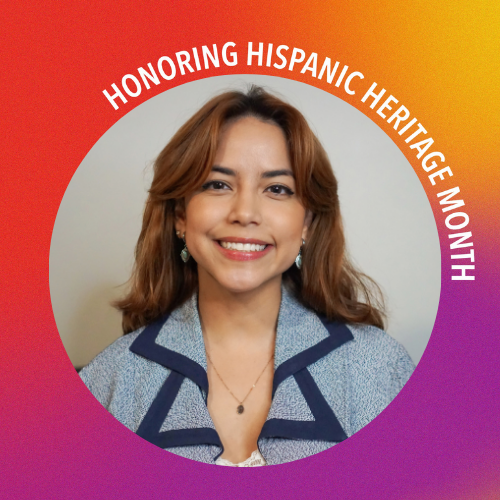
Submitted by Natalia Elias Calles Nirushan, MPH, BSHS, Director of Clinical Research at TMC Health, proud ACRP member, DrPH student at Johns Hopkins, and Founder and CEO of Catalyst Clinical Research Consultants, LLC.