Not every research subject enters the world of clinical trials as an adult who is functioning independently in society, and who is fully capable of understanding and agreeing of their own free will to participate in the process of testing experimental drugs or medical devices.
In clinical research settings, “vulnerable populations” refer to groups of people who can be harmed, manipulated, coerced, or deceived by unscrupulous researchers because of their limited decision-making ability, lack of power, or disadvantaged status. These populations include children, prisoners, individuals with impaired decision-making capacity, or those who are economically or educationally disadvantaged.
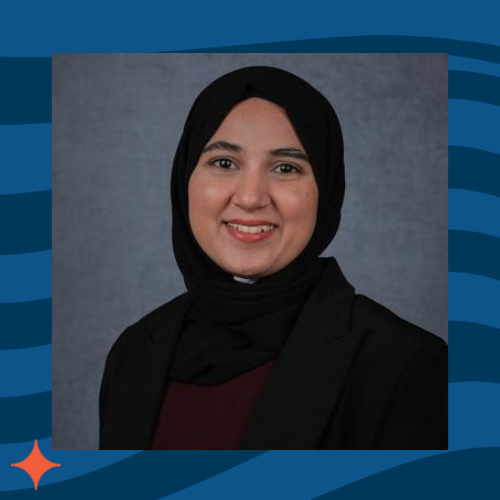
However, individuals from all these populations may legitimately participate in clinical trials under ethical and well-managed conditions, says Muhammad Waseem, MBBS, MS, FAAP, FACEP, FAHA, FSSH, CPI, FACRP, who will discuss the benefits and challenges of such research in his upcoming ACRP 2026 session on “Engaging Vulnerable Populations in Research in Trying Times.”
Dr. Waseem is an ACRP Fellow, a Professor of Emergency Medicine and Pediatrics at Weill Cornell Medicine in New York, and the Research Director for Emergency Medicine at Lincoln Medical Center in the Bronx, N.Y., where he is also Vice Chair of the Institutional Review Board.
“While vulnerable populations are considered at higher risk of harm or injustice in research, since they often cannot protect themselves through valid informed consent, they are also underrepresented and underserved in clinical research,” Dr. Waseem notes. “There are thoughtful, compassionate, and valid ways to include them in studies, which may be of benefit to them in their cases.”

Engaging Vulnerable Populations in Research in Trying Times
Join Muhammad Waseem at ACRP 2026 [April 24-27; Orlando, Fla.] as he highlights real-world experiences, challenges, and practical solutions for involving vulnerable populations in research during trying times such as those we face now. View complete schedule.
Among other topics, Dr. Waseem will discuss the key factors that make a person or population vulnerable in research settings; the physical, psychological, and social aspects of this vulnerability; and historical examples of how vulnerable populations have been targeted in non-consensual, unethical clinical trials or other research types because they were accessible, undervalued, and unprotected.
“Although there are many challenges and barriers to inclusion, I will also discuss how excluding the vulnerable is biased and unethical, and how to differentiate between coercion and fair compensation while respecting the principles of informed consent during participant recruitment for clinical trials,” Dr. Waseem states. “With these and other concerns in mind, modern clinical researchers can develop and implement inclusive research policies to address past inequalities faced by vulnerable populations.”
Edited by Gary Cramer