While having members of clinical trial teams take specimens from and record data about study participants can become a familiar feature of measuring their progress through a trial to researchers and patients alike, none of them may be thinking at the time about how those physical and digital leftovers can have an afterlife in later research.
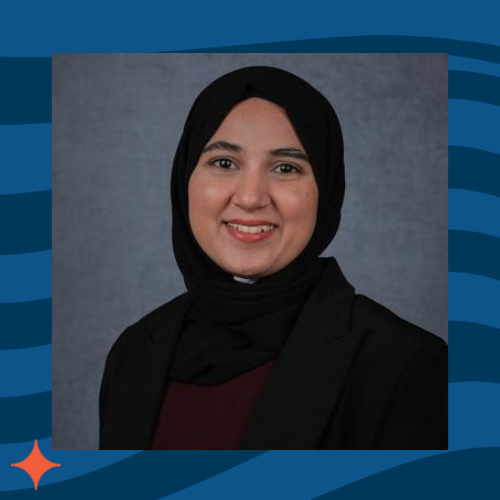
In her upcoming ACRP 2026 presentation in Orlando on “Implementation of an IRB Review Level Assessment Tool,” Leslie A. Bell, Lead Regulatory Specialist for the South Carolina Clinical and Translational Research Institute at the Medical University of South Carolina, aims to enlighten her audience about the regulations applicable to the “secondary use” of data and/or specimens in research, and how they impact the level of review prompted by submissions for research approvals to institutional review boards (IRBs).
“There are three levels of IRB review that may be needed for this kind of research, depending on various factors—exempt review, expedited review, and full board review,” Bell notes. “I’ll be walking attendees through an algorithm-based review level assessment tool used at my institution to demonstrate how it addresses applicable federal regulations to provide guidance to users—not only on which level of review is warranted, but also on what information is required for said level of review.”
Understanding the regulations surrounding secondary use of unidentifiable/de-identified data and specimens can help to minimize regulatory burdens on researchers, Bell says. She adds that the tool she will discuss was developed as a survey for principal investigators to access through the REDCap electronic data capture system. Further, it was designed to be utilized for projects where such secondary uses are the only study procedures at play, and that do not involve research and development of products that are regulated by the U.S. Food and Drug Administration.

Implementation of an IRB Review Level Assessment Tool
Join Leslie at ACRP 2026 [April 24-27; Orlando, Fla.] as she discusses the implementation of a novel tool for Identifying IRB Review Level for Studies involving Secondary Use of Data/Specimens. View complete schedule.
“Besides eliminating a lot of back and forth often required at the onset of regulatory consultations or IRB application review, one goal of the tool is to help researchers understand and verify when their uses of specimens and data qualify a project for a Not Human (or Non-Human) Subjects Research designation, according to Code of Federal Regulations standards,” Bell says. “In these situations, the study teams will never have access to the identities of the patients from whom the specimens or data were collected.”
Common as it may be at many institutions, it’s still an area of research whose complications can trip up even seasoned investigators and their teams, Bell explains. “At the end of the day,” she adds, “having an IRB review level assessment tool can help you avoid a lot of stress and streamline a lot of the work to come in your secondary use projects.”
Edited by Gary Cramer