Artificial intelligence (AI) is proving particularly useful in identifying potential candidates for appropriate clinical trials. In oncology, for example, overall estimated patient participation rate in clinical trials is only around 7%. AI can help alleviate the burden of prescreening at the site level, freeing up time for clinical research coordinators (CRCs) to focus on the patients who are most likely to meet inclusion/exclusion criteria.
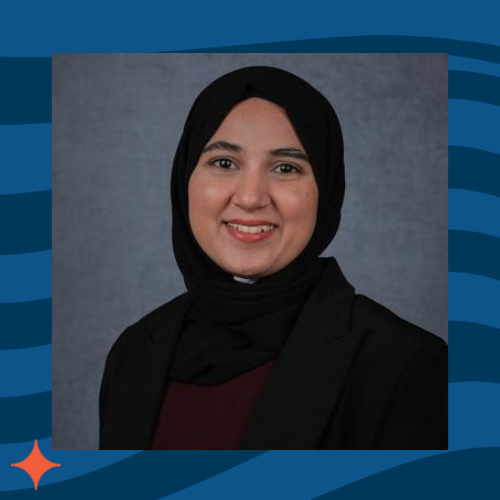
“At a cancer center, it’s an ongoing challenge to work out which patients might be eligible for which trials, particularly with changes in patient eligibility and open studies over time,” says Chelsea Osterman, MD, Executive Medical Director, Tempus AI. “AI can carry out prescreening continuously while accounting for the most recent clinical information about a patient and trial inclusion/exclusion criteria.”
“We’ve found AI to be extremely helpful in narrowing down the large numbers of patients to a much smaller number who are most likely to be eligible,” states Osterman. “Then CRCs are able to review these patients to confirm eligibility. We’re seeing more sites adapting various technologies, with approaches becoming more sophisticated as we are able to harness electronic health record (EHR) data for this purpose.
“Integrating data from the EHR enables us to look at both structured and unstructured data,” notes Osterman. “All trials underway at the site can be configured in an AI-powered patient matching platform, so that patient-level data, such as biomarkers and tumor stage, can be compared to the trial requirements. This enables sites to readily find patients who are most likely to be eligible, all within a timeframe that would be virtually impossible for a human to achieve. The platform may allow the user to be more or less flexible in terms of inclusion/exclusion criteria, helping to minimize the chance that potentially eligible patients are missed.”

AI at the Helm: Shaping the Future of Oncology Clinical Research
Join Chelsea at ACRP 2026 [April 24-27; Orlando, Fla.] as she explores practical applications of AI in oncology trials, focusing on three high-impact areas. View complete schedule.
Osterman adds that the advent of large language models has been a vital step forward, unlocking unstructured data to reveal clinically relevant insights. For example, extracting the disease stage from a physician’s notes makes it easier to find patients for trials. However, many research professionals are still somewhat skeptical of AI due to the fact that these models may easily become “black boxes” where the basis of outputs are unclear.
“It’s vital to feel confident that accurate information is being used by the AI system to identify patients,” according to Osterman. “We must make sure that the end-user can readily see all source data used to determine whether a patient may be eligible. For example, if we’re looking for patients for a study of metastatic non-small cell lung cancer (NSCLC), we want to see evidence of NSCLC and metastasis. This transparency ensures accuracy and builds trust. Working on the principle of ‘trust but verify,’ with a ‘human in the loop’ to validate results, AI-powered patient matching platforms can help enable broader access to study participation.”
Edited by Jill Dawson