While clinical research offers a broad range of career paths, site-based professionals may face challenges transitioning to roles at non-site companies. Developing a transition roadmap—using self-assessment tools, tracking metrics, gaining cross-functional exposure, and reframing outcomes in the company’s language—can help in achieving career goals.
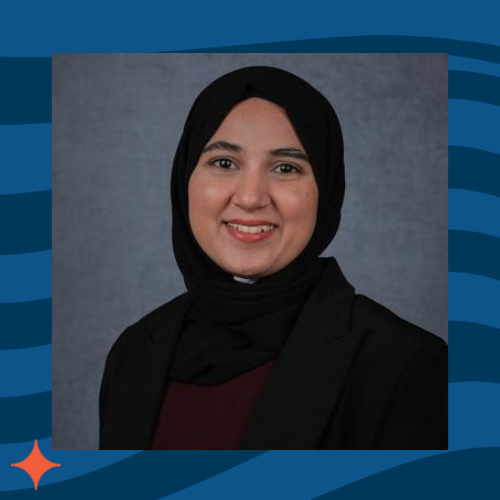
“The site experience of talented coordinators, research staff, and managers is extremely valuable, and with the right positioning can become a launchpad to roles elsewhere,” says Jessica Propps, ACRP-CP, Associate Director of Clinical Operations for Merck, which is known as MSD outside the U.S. and Canada.
“Site-based professionals need to show they have the skills sought by other companies,” states Propps. “This can be achieved by reframing day-to-day task coordination as project management, query resolution as data quality and risk management, and vendor oversight as stakeholder coordination. Communicating clearly can open the way to a range of roles in areas such as regulatory affairs, medical affairs, and project management.”
“As someone who has successfully made the transition from a site to a sponsor, I’m often asked for advice,” says Propps. “Career mapping is a helpful approach, followed by gap analysis and developing a plan to develop missing skills. Learning to express skills in terms the company uses in job descriptions helps when opportunities arise. Networking with employees at conferences such as ACRP 2026 is also vital. By learning about the company’s perspective of clinical trials, it becomes possible to articulate how your motivations match theirs, and how you can add value in the new role.”
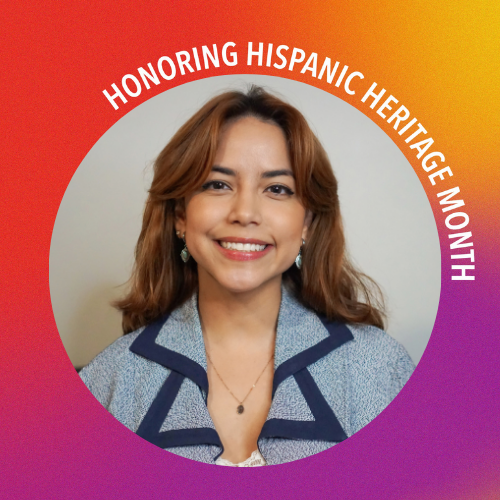
“Like Jessica, I transitioned from working at a site to working for a sponsor,” explains Tamika Harris, Clinical Operations Manager – Regulatory, Merck. “Seeking out opportunities to interact with sponsors was a key element in my transition, including having a mentor. Networking in person and through websites such as LinkedIn was also useful. For site-based staff, this can require stepping outside your comfort zone and advancing interpersonal skills.”

Your Clinical Research Career Toolkit: Skills for What’s Next
Join Jessica and Tamika at ACRP 2026 [April 24-27; Orlando, Fla.] as they explore how site-based staff can translate their operational expertise into qualifications for sponsor-side roles. View complete schedule.
“Taking advantage of opportunities to speak at conferences like ACRP 2026 can build confidence and presentation skills which will be useful in future roles,” notes Harris. “Adding qualifications such as ACRP certifications can also strengthen your resume.”
“In clinical research our ‘why’ is helping others,” says Harris. “I wanted to take my ‘why’ to Merck to help advance clinical research on a broader scale. Finding your ‘why’ can help you find the best career fit. Presentation skills can help you communicate that you’re not just great at your current job, you are also confident about your competencies and have the skills that your next employer needs.”
Edited by Jill Dawson