From clinical trial co-creation to patient engagement around access, research rises when we partner, listen, and act with patients.
For a long time, clinical trials have focused on what researchers could measure: survival curves, lab results, and imaging studies. But the landscape is shifting. Researchers are recognizing that an individual’s healthcare journey encompasses the totality of their life, not solely what happens in the clinic.
Care partners have also gained prominence, and along with patients, are increasingly the decision makers in healthcare. We are listening to these stakeholders and gaining new understanding of their most pressing unmet needs and preferences.
As clinical research evolves to address more holistic needs of individuals, the implications of new collaborations and ways of thinking—and measuring—stretch beyond the traditional definitions of development. We need to think bigger and work together in new ways. Integrated patient engagement can help us better understand the holistic lived experiences of individuals, thereby improving the value recognition of treatments by gatekeepers and supporting access to new medicines for those who can benefit.
Developing medicines of the future requires us to go beyond our historical view of data. Even promising treatments can leave patients still feeling the symptoms of their disease or managing side effects, and traditional endpoints (measures) used to evaluate the effectiveness of a treatment may not be what patients consider to be meaningful. This is why we have shifted our model from patient centricity—having empathy for patients—toward integrated patient engagement, where patients help drive scientific development from the earliest stages of medical research. This evolution has meant important changes and has yielded powerful results.
As part of our Patient Community Promise, patient insights are integrated before a trial is designed. Across our clinical development programs, we’re aligning research with how diseases impact patients. When we listen closely, patients tell us how to evolve.
Listening and collecting new data from key voices is only part of the journey toward smarter development. Regulators and payers also have a vital role to play in recognizing the value of new medicines that address patient needs. Patient experience data increasingly appear in regulatory submissions and health technology assessment dossiers, the evaluations that determine whether health systems will approve and reimburse new treatments. These data aren’t just abstract preferences. By including patient-relevant elements in regulatory submission documents, we can help create broader understanding of how new treatments positively impact individuals, healthcare systems, and society at large.
Important insights are also coming from working with patient communities at the local level. When we collaborate with trial sites, advocacy groups, and local leaders—through projects like our Sanofi Community Alliance Network (SCAN)—we hear from a richer tapestry of voices, build meaningful relationships, enable increased access, improve diagnosis pathways, and enhance education and support programs. These partnerships both add to our science and to patients’ lives. Working closely with patient communities across disease areas and geographies has shown us that meaningful progress comes from patients who demand change.
Technology is also changing the pursuit of important patient insights. We’re using artificial intelligence to help assimilate large volumes of patient data that exist across different departments like medical affairs, clinical development, device design, and public affairs. Our goal is to bridge silos, see patterns, and help patient voices unlock smarter, faster development decisions. Digital tools make patient voices easier to hear.
Clinical research doesn’t stop after a product is launched. We must extend our thoughtful listening to real-world settings, where ongoing patient-generated data can add important insights.
Momentum is building. Health authorities in different countries are evolving how they incorporate lived experience—harmonizing definitions, making questionnaires more accessible and relevant, getting input early. Regulators are recognizing that understanding patient experience is foundational to making good decisions about access.
We’re thinking big and helping to build systems that listen and act on what we learn. But there’s more to do, and as clinical research professionals, we all have a role to play. As an industry, we must continue to take—and create—opportunities to partner, to collaborate, and to learn. Add your voice, through direct advocacy or through your organization’s local or global public affairs representative, and take action to ensure that patients continue to have access to innovation.
From trial design to novel endpoints to post-trial access, research is rising because of voices across our community, creating a ripple effect across health systems. Let’s continue to push ourselves to listen, learn, and act. Patients are counting on us.
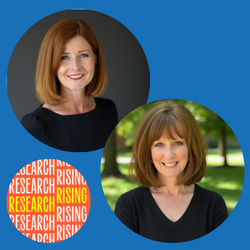
By Vicky DiBiaso and Kersten Sharrock
Vicky DiBiaso is Head of Patient Driven Medicines Development at Sanofi. Kersten Sharrock is Head of Integrated Patient Engagement at Sanofi.