Just because breakfast is the most important meal of the day doesn’t mean you can load up on junk food the rest of the time and thrive. So it was that, substituting careers in clinical research for food and recognizing that a more holistic outlook is needed, some presenters at ACRP 2026 spoke to the importance of a nourishing approach to onboarding for early-talent retention on clinical trials teams, while others considered the nuances of workplace dynamics, career growth, and developing a menu of new skills over the long term.
For those who are just getting started in the clinical research enterprise, onboarding need not (and should not) be a dreary, top-down experience for learners or their guides. In “There’s a Better Way to Approach Training for New Clinical Trials Team Members,” Aja Macias, a Clinical Research Educator in the Clinical Trials Office of the Stanford School of Medicine’s Stanford Cancer Institute, said “I did not get true feedback about our onboarding process until I built relationships with the teams that I was teaching, and I let them know that it was OK to criticize the material.”
A self-described “nerd about knowing how people learn and how people process information,” Macias presented several examples of how those in her audience could blend psychology concepts into their onboarding processes back home, and stressed the importance of having a well-qualified educator involved in developing trainings. “It makes sense to invest in educators [who] focus on educational psychology and teaching,” rather than risking overreliance on potentially ineffective shadowing or tasking managers or directors who aren’t necessarily such great instructors with bringing new clinical researchers up to speed, she said. That way, nobody’s “wasting hours on onboarding that nobody is retaining,” she added.
Meanwhile, in his session on “Lighting the Path to Clinical Research Careers with C-CLEAR,” Joseph Hines II, MPH, Executive Director of Research Operations in the Clinical Trial Office at The University of Kansas Cancer Center, noted how the clinical research workforce is facing “completely unsustainable” turnover rates of between 35% and 61% per role and “underrepresentation across the board” in employees and trial participants. However, he said that his center’s eight-week C-CLEAR program for entry-level hires and other pathway programs are “designed with intentionality in mind to prepare and diversify the future of the clinical research workforce.”
“Rather than focusing on role-specific knowledge, we [based] the [C-CLEAR] program on foundational skills to make someone a stronger candidate on day one,” Hines noted. “This includes giving students a 360-degree view of [the center’s workings]—our informed consent process, exposure to patient eligibility assessments, and a clear understanding of safety and compliance responsibilities. Students are also introduced to the [institutional review board] submission workflows, regulatory document management, and the basics of source data documentation,” all of which leads to an environment in which “onboarding is faster, training is more efficient, and retention is stronger” from follow-on components designed “to help students to begin developing their professional identity and [ongoing career in] clinical research.”
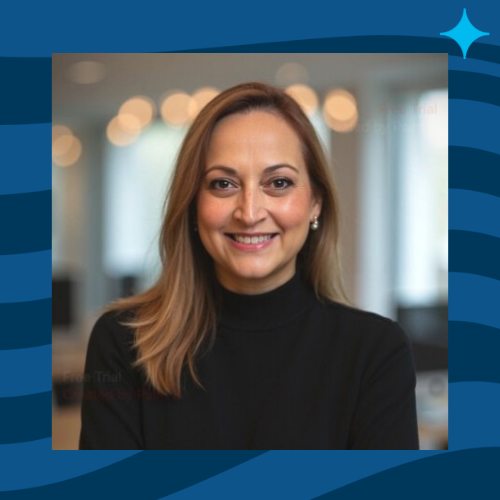
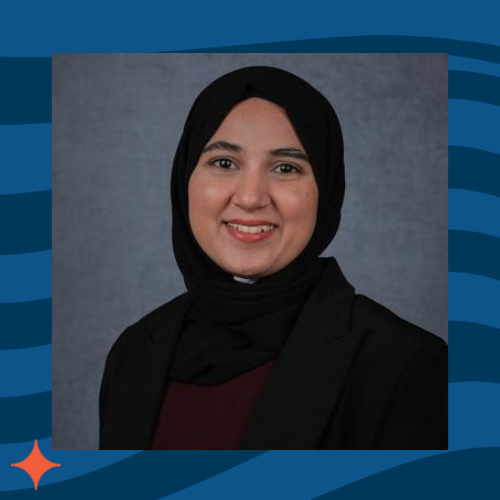
Further, in their talk on “Bridging the Gaps to Succeed as a Multigenerational Team,” Yelena Tsabur and Yekatrina Tsabur, Consultants with the SOPHOS Collective, explored how generational differences manifest at work, why they matter, and how leadership approaches, with emphasis on coaching, can help improve collaboration between coworkers across a range of ages. Noting that today’s workforce “includes four or five generations working together, which is actually a first in the history of our country, each generation brings different values, expectations, and communication styles, which can lead to misunderstandings and conflict if we’re not intentional,” Yekatrina said. “In clinical research collaboration is critical, so these dynamics directly impact quality, timelines, and outcomes,” she added.
Building from an overview of different career-related attitudes and workplace behaviors among members of the Silent Generation, Baby Boomer, Generation X, Millennial, and Generation Z eras, and noting the potential for friction and division to occur when they are shuffled together, Yelena advocated for a workplace culture shift that views “generational differences as natural, valuable, manageable aspects of a diverse team rather than points of conflict.” One way to contribute to this shift is to “focus on shared goals and similarities,” she added. “Remind the team that, regardless of the generation, most employees do want the same fundamental things, and that while methods across team members may be different, we share the same goal.”
Tying concepts from earlier ACRP 2026 sessions together and discussing “Reimagining Roles and Upskilling Talent for Tomorrow’s Trials” as the conference neared its conclusion, first-time presenter Tracy Parker, MBA, EdD, Vice President and Managing Director at IQVIA, said her intent was to provide her audience with “enough today that you have the right base to start asking questions and thinking about the right things as you and your organizations plan to implement” artificial intelligence (AI) technology. “We’re going to talk about how roles are changing” because of technological advancements in clinical research, she added. “We’re going to talk about some strategies that you need to be thinking about for upscaling and rescaling your talent” in this brave, new world.
“When you hear people say, ‘AI is going to take my job,’ it’s not untrue,” Parker said. “It’s just an incomplete statement. [In] my opinion, I think the right statement is ‘AI is going to take my job as it is currently defined or described.’ [But there] is still going to be a need for every single person at this conference to be working in the industry. … So just please don’t allow the AI technology implementation to scare you [into thinking] that you won’t have work. You’re going to have work. … How you work today, though, is going to have to change.”
Various other topics in a Workforce & Professional Development track were also in focus during sessions presented at the recent ACRP 2026 gathering in Orlando. A package of collected recordings of these sessions is now available for purchase in the ACRP Course Catalog, as are packages for the full program of ACRP 2026 replays or smaller packages for the curated Clinical Operations, Innovation & Change Management, Regulatory & Quality, and Study & Site Management tracks. Conference attendees already have access to all recorded ACRP 2026 sessions that correspond to their conference registration type (Full, Weekend, or One-Day Registration) by logging onto the ACRP website and visiting their My Learning Portal.
Reported by Gary Cramer