
Clinical Researcher—June 2026 (Volume 40, Issue 3)
GOOD MANAGEMENT PRACTICE
Rutherford Pascal
Clinical research stands at a crossroads. Behind every protocol, every trial, and every new technology is a team of professionals facing mounting pressures: shifting regulations, the rapid arrival of artificial intelligence tools, and a workforce that is both more essential and more at risk of burnout than ever before.
The heart of the problem isn’t just compliance or efficiency. It’s leadership. What does it mean to truly lead in an environment where yesterday’s best practices are outpaced by tomorrow’s disruptions?
The New Landscape of Clinical Research
Speak to any clinical research professional and two themes emerge: change and complexity. The pandemic years forced organizations to adapt overnight. Remote monitoring, decentralized trials, and regulatory pivots are now routine. But beneath these innovations, human challenges remain unsolved.
Turnover rates have climbed. Young professionals often see clinical research as a steppingstone, while veterans feel the weight of a growing compliance burden. Burnout isn’t just possible; it’s expected. Leaders, once chosen for technical expertise, now need an entirely new toolkit.
Why Leadership Matters More Than Ever
A 2025 ACRP survey of 735 clinical research professionals found that more than half of respondents (52%) reported that hiring and retaining clinical research staff has worsened over the past five to 10 years, and fewer than half (44%) believe sponsor staff have the training, skills, and experience needed to run trials successfully. “We see great scientists struggle in management roles,” said one principal investigator. “Technical skills don’t always translate to leadership, but that’s what the future demands.”
Good leadership in clinical research isn’t about charisma alone. It’s about communication, resilience, and the willingness to adapt, without sacrificing the ethical core of the work.
The Human Side of Innovation
New tools promise efficiency, but also bring anxiety. A study coordinator at a major research center described the introduction of a new eConsent platform: “Change is always hard, but what really mattered was our manager’s approach. She listened, acknowledged concerns, and made sure training didn’t feel like another compliance box to check. That made all the difference.”
Leaders who succeed in this space understand the value of empathy and transparent communication. When technology arrives, they focus not just on the “how,” but on the “why,” making sure their teams feel included, not sidelined.
Building the Next Generation of Leaders
Professional development for clinical research has lagged behind technological change. But as organizations recognize the costs of turnover and disengagement, investment is shifting. The ACRP 2026 annual conference highlighted leadership at every stage: from “first-time managers” to executive roundtables and mentoring programs.
What works? Peer learning, scenario-based workshops, and formal coaching all help. An effective leader builds trust, models ethical decision-making, and finds ways to celebrate progress, even small wins.
Culture, Compliance, and Change
The stakes remain high. With increasing regulatory scrutiny, any misstep can have legal and ethical consequences. That’s why leaders must foster a culture of speaking up, continuous improvement, and shared responsibility.
The principal investigator quoted earlier sums it up: “We need leaders who can inspire, but also listen. Who can push for innovation, while protecting our commitment to patients.”
Looking Ahead
The challenges facing clinical research won’t slow down. But with a new generation of leaders, equipped with the right skills and mindsets, organizations can adapt without losing their human touch.
The future of clinical research depends not just on the data or the technology, but on the people who lead the way.
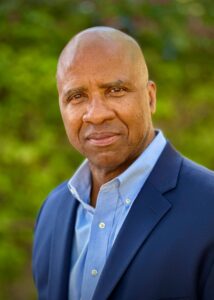
Rutherford Pascal (rutherford@glasswallsleadership.com) is a transformative leadership expert, certified John Maxwell Leadership Trainer, and dynamic keynote speaker dedicated to unlocking the full potential of individuals and organizations. As the founder of Glass Walls Leadership, based in Scottsdale, Ariz., he delivers impactful coaching and training that drive leadership excellence, inclusivity, and business growth. With a distinguished career in the pharmaceutical industry, where he has led high-performing teams and helped launch market-leading products, he brings strategic insight and a results-driven approach to leadership development. Passionate about fostering diversity and empowerment, he champions initiatives that create lasting organizational and community impact.