Clinical Researcher—June 2026 (Volume 40, Issue 3)
VOICES FROM THE FIELD
Edited by Gary W. Cramer, Managing Editor for ACRP
As a follow-up to Clinical Trials Day 2026, held on May 20 with the theme of “Research Rising,” a collection of industry thought leaders shared their perspectives with ACRP on what the sentiment means to them and on how they keep rising in clinical research for the sake of patients and the industry.
What “Research Rising” means to me…
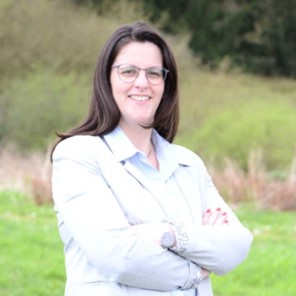
Émilie Barré, Head of Solution Value at One2Treat
For me, research rises when we move beyond reducing patient experience to a single endpoint and instead reflect the real trade-offs patients face every day. Choosing a treatment is rarely about efficacy alone. It involves balancing benefits with safety, tolerability, and impact on quality of life.
This is where the Net Treatment Benefit approach brings a meaningful shift. By integrating how patients, clinicians, and other stakeholders value different outcomes, we can capture these multidimensional preferences directly within clinical trial design. Rather than evaluating outcomes in isolation, we assess the overall benefit of a treatment in a way that mirrors real decision making.
Adopting this perspective requires us to challenge long-standing conventions. It asks us to recognize that not all outcomes carry equal priority and that their relative importance can differ across contexts and individuals.
I believe research truly rises when clinical trials are designed with these priorities in mind from the outset. This allows us to generate evidence that is more relevant for decision makers and ultimately supports the development of treatments that are better aligned with what matters most to patients.


Matt George, Senior Statistician, and Sam Hinsley, Statistics Manager, both at Phastar
Statistical innovations offer the ability to enhance a critical stage of the treatment pipeline—early-phase clinical trials. Optimizing this first step in the human-stage of drug development is vital if we are to ensure that more effective treatments reach those who need them most.
This has become increasingly important as developments like early-phase combination trials introduce new methodological challenges. For example, if none of the predefined combinations for patients with complex cancers are close to the desired toxicity target, a trial can drift toward overly conservative recommendations or combinations that exceed acceptable toxicity thresholds. Ad hoc approaches to address this can introduce operational complexity, regulatory uncertainty and potential bias. In contrast, inserting new dose combinations mid-trial using a contour-based framework creates a data-driven mechanism for adaptation, improving efficiency, precision and safety.
This is just one example of how statistical innovations can help research rise. Further opportunities to enhance early-phase clinical trials are being explored in a new early-phase special interest group. Bringing together statisticians from industry and academia to share knowledge, the group aims to improve implementation of statistical methodologies and raise standards. Ultimately, it is hoped this collaborative approach will ensure the right treatments are taken forward to keep research rising.

Anita Phung, Research Physician and Medical Monitor with Lindus
Clinical Trials Day is a moment I look forward to each year, not just as a celebration, but as a checkpoint. A chance to thank the patients whose trust makes every study possible, to recognize the cross-functional teams who turn that trust into evidence, and to honestly assess how far the field has come.
The progress is real. Trial design is opening up in ways that matter: recruitment of women into cardiometabolic research is improving, adolescents are being thoughtfully included in mental health studies, and communities whose voices were once absent are beginning to shape the protocols designed around the populations they’re meant to serve. These aren’t incremental refinements. They’re a fundamental shift in whose experience gets counted as evidence.
This year’s “Research Rising” theme names that shift well. Rising means shorter activation timelines where the science allows. It means recruitment that reflects the real-world diversity of disease. It means protocols built around patients, not just for them.
We have a long way to go. But the ground we’ve covered is worth celebrating, and it’s the foundation everything rising is built on.