Of all the “chicken or egg” conundrums inherent in the conduct of clinical research, perhaps the toughest for professionals at study sites to crack concerns which comes first—thoughtful community engagement that leads to robust patient recruitment, or successful patient recruitment that leads to rewarding community engagement. Or can sites have everything, everywhere, all at once?
However one chooses to answer the riddle, more than a few presenters at the recent ACRP 2026 gathering in Orlando served up wisdom from the lessons they’ve learned in their research settings about getting recruitment and engagement right, because no ongoing clinical trials program can thrive without its team dedicating time and strategic thought to both efforts. Here are just some of the things these experts shared with their audiences.
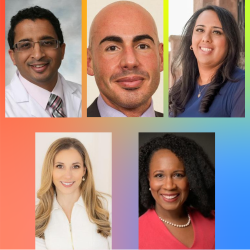
In “How Patient Relationships and Community Connections Fuel Study Recruitment and Retention,” Anuj Bhargava, MD, MBA, CDCES, FACP, FACE, Founder, CEO, and Medical Director at Iowa Diabetes in West Des Moines, focused on harnessing the “hidden treasure” of non-qualified leads to increase enrollment in trials from a connected, engaged community of people who can participate in multiple trials over a lengthy time span. “Changing the mindset to say [that a non-qualified lead] didn’t qualify [for a trial] today, but they will qualify in the future” is key to cultivating sustainable recruitment at highly active sites, he said, adding that “most sites like ours don’t have the time to pay attention to this, and I’ll share some tips and tricks for how we can do that.”
For a different spin on recruitment tactics, David Almeida, MD, MBA, PhD, President and CEO of Centers for Advanced Surgical Exploration (CASEx) and Erie Retina Research in Pennsylvania, highlighted his preference for “Optimizing Site Resources and Data Quality Through Focused Enrollment Blocks.” Noting that, “like many other people in our field, [I] have spent [a lot of time] trying to deal with enrollment,” for example, through pre-screening and community outreach. However, he added, “I think you have to move the whole thing aside and recreate it completely to really get something that actually moves. Because whenever you address one part of that issue, you kind of get bit by something else. So I’m going to show you how [we think we’ve] solved it,” which is through a hyper-focused block enrollment strategy that runs strictly for a maximum of 48 hours for each trial.
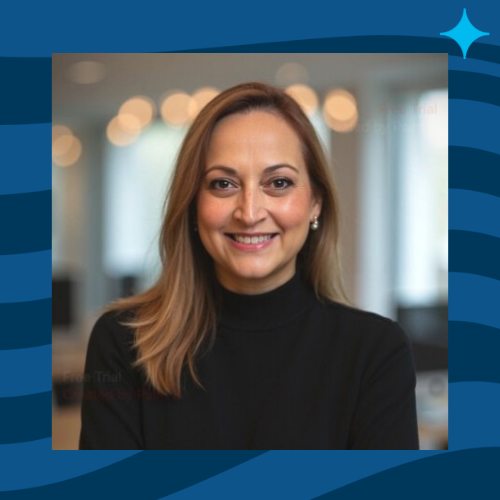
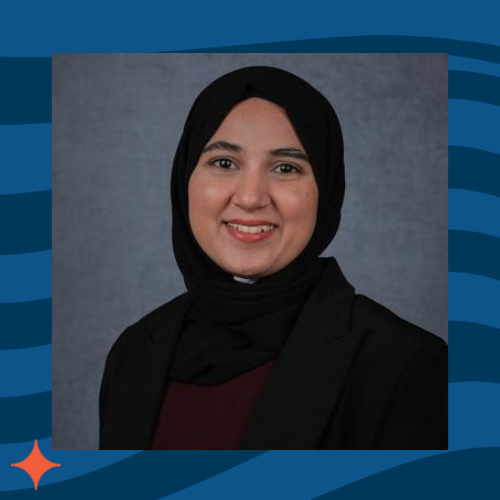
On the other hand, in “Sponsor Perspectives on Developing Innovative Participant Recruitment Strategies for Trials,” Simranjit Mehta from the United Kingdom and Nikki Thomas from the United States, both Recruitment Strategists with Pfizer, considered the study sponsor’s role in keeping enrollment at healthy levels. Having originally entered the realm of clinical research with “zero medical background” as a patient recruiter for a principal investigator in Philadelphia and gained further experience with a recruitment vendor and a sponsor before joining Pfizer, Thomas said she and her colleague “want to convey to you how we develop innovative recruitment strategies to help support our sites, how we evaluate the impact of those tactics and strategies” at the site level, and “how we’re continuously taking site feedback into account and making adjustments where needed to better support sites and patients.” Mehta, who started in the field as a study coordinator in the U.K.’s public healthcare system, explained that hers and Thomas’s current efforts include developing patient profiles for trials that consider “the patient as a whole—who they are in their day-to-day life, what barriers they might present, [and] what challenges they might have to participate in a clinical trial.”
Also coming at the topic from the sponsor side was Jessica Propps, ACRP-CP, Associate Director for Clinical Operations with Merck & Co. Inc., in New Jersey, with a presentation on “Standardizing Participant Benefits to Improve Equity, Retention, and Trust in Clinical Trials” that asked those in her audience to consider how “inconsistent participant benefits create barriers to enrollment, retention, and trust, and then apply a practical burden-based framework” to their protocol design budgets and consent language. Noting that she is also a caregiver advocate for the Foundation for Sarcoidosis Research, which hosts a Coalition to Transform Clinical Trial Engagement and whose “Ignore No More” campaign emphasizes clinical trial participation among African American females, Propps said that participant payments and decisions around them “quietly determine who can participate in clinical research.” Further, she noted, “When that support doesn’t match the burden, it becomes a financial risk to those potential participants and not an opportunity for potential treatments. And that risk disproportionately effects caregivers, who are not getting paid at all.”
Other ACRP 2026 sessions touching on patient recruitment and community engagement included “Building Trust in Clinical Research Through Literacy-First Community Engagement” from Addison Gumbert, Clinical Research Marketing Strategist with Premier Clinical Marketing, and Mitchell Hilbe, CEO/Co-Founder of DiversiTrials; “The People Puzzle: How Communication Styles Shape Recruitment and Retention,” also from Gumbert; and “Strategic Approaches for Achieving Robust Community Engagement in Clinical Research,” from Bashar Shihabuddin, MD, MS, Assistant Professor with Nationwide Children’s Hospital.
Recordings of all of these and other related sessions, some found in a Study & Site Management package and others in an Innovation & Change Management package, are now available for purchase in the ACRP Course Catalog, as are packages for the Full Program of ACRP 2026 replays and for the curated Clinical Operations, Regulatory & Quality, and Workforce & Professional Development tracks. Conference attendees already have access to all recorded ACRP 2026 sessions that correspond to their conference registration type (Full, Weekend, or One-Day Registration) by logging onto the ACRP website and visiting their My Learning Portal.
Reported by Gary Cramer