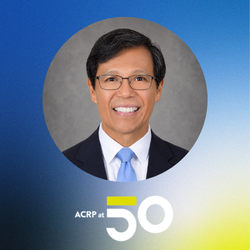
Robert O’Connor, MS, CCRA, ACRP-CP, FACRP, reflects on career in which he has been able to contribute to groundbreaking global guidance for clinical researchers, improve upon informed consent processes, and begin examining the ethical issues involved in thinking of clinical trials as medical care.
At the recent ACRP 2026 gathering in Orlando, more than a few presentations focused on the whys and how-tos of bringing study teams together from across the divisions between study sites and sponsors/contract research organizations (CROs) that can threaten the stability of everything from new (and perhaps risky) ventures to even the most seemingly solid of projects and long-term partnerships.
For the conference's Workforce & Professional Development track, while some presenters at ACRP 2026 spoke to the importance of a nourishing approach to onboarding for early-talent retention on clinical trials teams, others considered the nuances of workplace dynamics, career growth, and developing a menu of new skills over the long term.
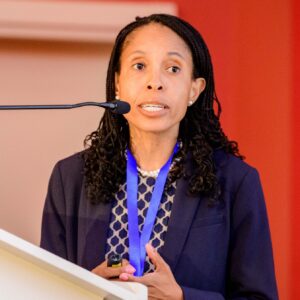
In recognition of Asian American, Native Hawaiian, and Pacific Islander (AANHPI) Heritage Month this May, ACRP asked Narae Christina Kim, MPH, a Director with Huron Consulting Group, a global professional services firm with extensive experience in education and research, to share her thoughts on the importance that AANHPI heritage has had in her life and more broadly in the clinical research enterprise, both for participants and professionals.
ACRP Fellow Erika Stevens, MA, FACRP, reflects on her ongoing campaign for recognition of the clinical research industry as a profession, how change is the one constant in the industry, and the critical need for robust clinical development activities to treat patients and improve health outcomes.