More Insights from ACRP 2026: Can Sites, Sponsors, and CROs All Just Get Along?

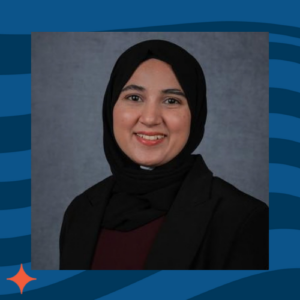
At the recent ACRP 2026 gathering in Orlando, more than a few presentations focused on the whys and how-tos of bringing study teams together from across the divisions between study sites and sponsors/contract research organizations (CROs) that can threaten the stability of everything from new (and perhaps risky) ventures to even the most seemingly solid of projects and long-term partnerships.

Insights from ACRP 2026: Launching and Maintaining Rewarding Careers

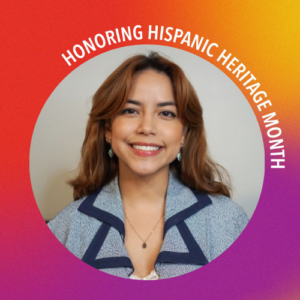
For the conference's Workforce & Professional Development track, while some presenters at ACRP 2026 spoke to the importance of a nourishing approach to onboarding for early-talent retention on clinical trials teams, others considered the nuances of workplace dynamics, career growth, and developing a menu of new skills over the long term.

Research Consultant Reflects on Role of AANHPI Heritage in Her Profession

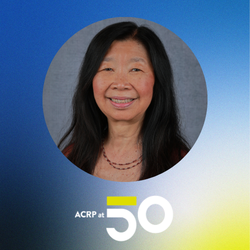
In recognition of Asian American, Native Hawaiian, and Pacific Islander (AANHPI) Heritage Month this May, ACRP asked Narae Christina Kim, MPH, a Director with Huron Consulting Group, a global professional services firm with extensive experience in education and research, to share her thoughts on the importance that AANHPI heritage has had in her life and more broadly in the clinical research enterprise, both for participants and professionals.

What Continuous Trials Could Mean for Clinical Data Standards and Oversight

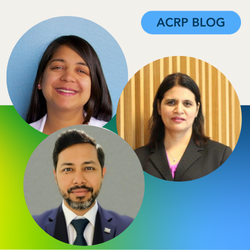
The design of clinical trials is shifting from “one-off” to continuous, or “always-on,” trials. This shift is made possible by the adoption of a range of decentralized clinical trial technologies, real-time data capture, and adaptive trial designs, which encourage flexible models of research. The goal of continuous trials is to offer the potential for continuous data collection, hypothesis generation, and data analysis, and hence the generation of new evidence over time.